The Real Cost of Delayed Chemical Shipments: How Logistics Affect Industrial Procurement

For industrial buyers, the cost of a chemical shipment is not limited to the price per ton. Delivery time, freight, documentation, packaging, and route selection can all affect the final cost. This is why chemical shipment delays can create problems that are much more expensive than the original difference between two supplier quotations. A shipment that arrives a few days late may seem manageable. But for a factory or distributor working with tight production schedules, even a short delay can affect inventory, production, and customer deliveries.
A Chemical Shipment Is More Than a Delivery
When a company orders chemicals in bulk, several steps are involved before the material reaches its final destination. The product must be prepared, packaged, documented, loaded, transported, cleared through customs, and delivered. A delay at any stage can affect the next one. For this reason, buyers should look beyond the product price and consider the full supply chain when comparing suppliers.
This is especially important when sourcing from international markets. A reliable petrochemical supplier in Middle East for example, needs to offer more than a competitive quotation. Production capacity, export experience, documentation, and logistics planning can all affect the buyer's real procurement cost.
What Happens When Raw Materials Arrive Late?
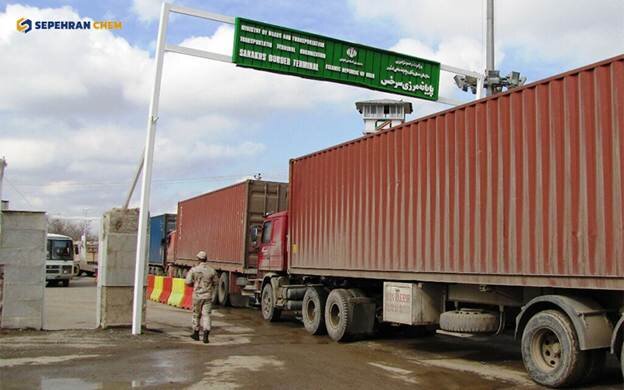
The impact of chemical shipment delays can include inventory shortages, production slowdowns or stoppages, emergency purchases at higher prices, increased freight costs, and missed production or customer schedules. These hidden costs are easy to overlook when buyers compare suppliers based only on the initial price per ton.
Why Transit Time Matters More for Bulk Buyers
For bulk buyers, longer transit times can also increase the amount of working capital tied up in inventory. Companies may need to keep additional safety stock to protect against uncertain deliveries.
This does not mean that the fastest route is always the best option. A longer route may offer better freight costs or greater capacity. The important point is to compare total procurement cost, including product price, freight, handling, inventory needs, and potential delay risk.
How Route Selection Can Reduce Risk

Different transport methods offer different advantages. Sea freight is often suitable for large international volumes, while road transport can be practical for nearby markets. Rail can support larger regional shipments, and multimodal transport can combine different methods when a single route is not practical.
For buyers in Central Asia, route flexibility can be particularly important. Working with an experienced chemical exporter to Central Asia can help buyers consider suitable road, rail, or multimodal options based on the destination and shipment requirements.
Packaging and Transit Risk
Packaging also affects transport reliability. Bulk chemicals may be shipped in jumbo bags, drums, containers, or other formats depending on the product and buyer's requirements. The right packaging can support safer handling, easier loading and unloading, and better protection during transportation. Buyers should therefore confirm packaging requirements before placing a bulk order.
Documentation Delays Can Be Just as Serious
A shipment can also be delayed even when transportation is available. Missing or incorrect documents can create problems during customs clearance. Before ordering, buyers should confirm that the supplier can provide the required documentation, such as a Certificate of Analysis (COA), Safety Data Sheet (SDS/MSDS), Certificate of Origin, and relevant export documents.
Building a More Resilient Chemical Supply Chain
Reducing chemical shipment delays starts with supplier selection. Buyers should consider production capacity, lead time, export experience, documentation, packaging, available routes, and communication; not only price.
A strong chemical supply chain is built around realistic delivery planning and clear communication. When buyers evaluate the complete supply chain instead of a single quotation figure, they can make better purchasing decisions and reduce the financial impact of unexpected delays. For industrial procurement, the cheapest quotation is not always the lowest-cost option. Reliable supply, realistic lead times, and well-planned logistics can be just as important as the price per ton.
Leave a Comment